
As apartment construction and multi-family development surge across Philadelphia, national and regional grocery chains are aggressively competing for retail footprints in the region.
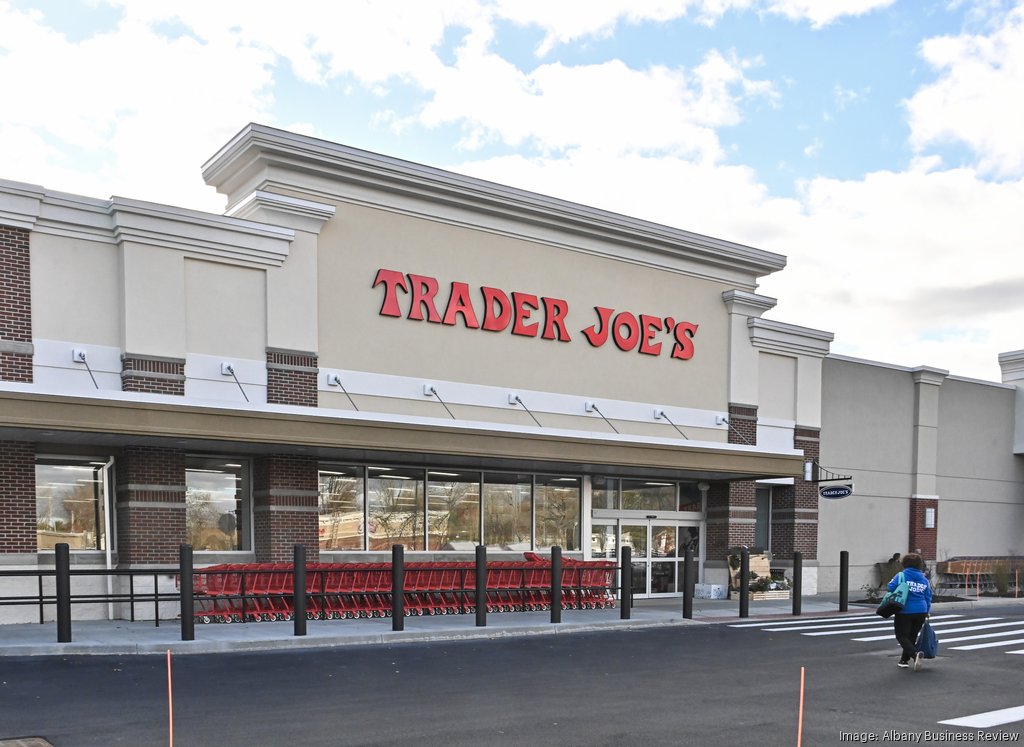
In a recent report by the Philadelphia Business Journal (“Whole Foods, Trader Joe’s and other grocery chains in ‘arms race’ for Philadelphia real estate”), industry experts break down how grocers are racing to follow residential density into rapidly evolving urban neighborhoods. At the center of this trend is MPN Realty’s retail leasing team, providing key brokerage insights into how shifting neighborhood demographics and specialized real estate requirements are shaping site selection.
Following the Residential Density Surge
Between 2020 and 2024, nearly 15,000 new apartments were delivered in Philadelphia, concentrated heavily in Center City, Northern Liberties, and along the waterfront corridors. Grocers are rapidly expanding into these newly dense pockets to capture localized market share.
Reflecting on the dramatic transformation of submarkets that previously lacked major multi-family density, MPN Realty retail leasing broker Nadia Bilynsky highlighted the speed of this shift:
“Only a couple of years ago, you barely had any apartments on Delaware Avenue.” — Nadia Bilynsky, MPN Realty
As new residents fill these corridors, grocers like Sprouts Farmers Market, Trader Joe’s, and Whole Foods (via its smaller-format “Daily Shop” concept) are prioritizing these high-density residential hubs for new store openings.
Why Early Retail Planning & Floor-Load Specs Matter
With record-low retail vacancy across desirable Philadelphia neighborhoods, grocers are increasingly turning to ground-up, new-construction residential buildings rather than existing storefronts. However, securing a grocery tenant in mixed-use developments requires precise architectural planning early in the development lifecycle.
Grocery operators have unique operational demands, including high ceiling clearances, designated loading zones, and reinforced floor-load capacity to support heavy refrigeration and store equipment.
Bilynsky noted a recent case in University City that illustrates the critical importance of early coordination between developers and commercial brokers: a grocery chain expressed strong interest in a new development owned by one of her clients, but because construction was already well underway, the building’s retail floor could not accommodate the structural weight requirements needed by the grocer.
For developers, incorporating grocery-ready structural specifications during the initial design phase can mean the difference between securing an anchor tenant or missing out on top-tier operators.
The Road Ahead: Long-Term Need in Developing Neighborhoods
Despite recent regional shakeouts among certain national operators, the fundamental demand for quality, accessible grocers in Philadelphia’s developing neighborhoods remains strong. As smaller-format concepts and innovative store models continue to emerge, grocers will remain key anchors for mixed-use commercial real estate.
Looking ahead at the trajectory of the Philadelphia market, Bilynsky sees sustained momentum for neighborhood grocery expansion:
“For the next couple of years, I feel we’re going to continue to see more grocery stores opening in neighborhoods that are developing. And there’s a need.” — Nadia Bilynsky, MPN Realty
Partner with MPN Realty on Your Next Development
Whether you are a developer looking to design and position ground-floor retail to attract high-value anchors, or a commercial property owner seeking strategic leasing guidance in Philadelphia’s active corridors, MPN Realty brings deep market knowledge and industry relationships to every transaction.
Ready to optimize your commercial space for premier retail tenants? Contact Nadia Bilynsky and the MPN Realty retail brokerage team today to discuss strategic leasing and advisory services.